Some choices feel purely technical until you live with them. Windshield glass is one of those. The decision between OEM and aftermarket only shows its weight when the afternoon sun hits your lane-departure camera, or when a rain squall on I-26 turns your wipers into metronomes and you notice a shimmer in the passenger-side sweep that never used to be there. If you drive in and around Columbia, you know the weather swings, the pine pollen, the temperature spikes on mall parking lots, and the gravel that seems to appear out of nowhere on US-1. Glass quality and the skill of the installer turn into daily luxuries you feel and forget, until a corner is cut.
I have spent two decades around auto glass services in Columbia and the greater Midlands, watching the market shift from simple laminated panes to complex, sensor-laden windshields that double as camera housings, defroster grids, and acoustic panels. The right choice is rarely a slogan. It is a balance of optical purity, fit, bonding integrity, and how your specific car manages driver-assistance technology. Let me pull that apart so you can make a decision with confidence, whether you need windshield repair Columbia drivers trust for a small chip or full windshield replacement Columbia residents rely on after a crack runs past the A-pillar.
What OEM and Aftermarket Actually Mean
OEM means the glass is produced by the same manufacturer that supplied your vehicle when it was built, or by a licensed partner using the automaker’s specifications. Think of it as the recipe, the mold, and the finish your vehicle rolled off the line with, including branding, acoustic interlayers, and tint gradients tuned to that model and trim.
Aftermarket covers glass produced by third-party manufacturers who reverse-engineer dimensions and performance criteria. Quality spans a range. Some top-tier aftermarket pieces are excellent, especially from brands that invest in tooling and quality control. Others miss small details: frit band thickness near the edges, the curvature in the corners, the exact shade of the sun strip, or the precise position of the camera bracket.
On paper, both meet Federal Motor Vehicle Safety Standards for impact resistance and light transmission. On the road, the nuance matters. A windshield is not just a clear barrier. It is structural, it carries your rearview mirror and many sensors, and it is part of how the cabin feels, sounds, and even smells on a hot day after a wash.
Safety First: Why Bonding and Geometry Trump Price
Every auto glass replacement Columbia technicians perform should start with structure. Your windshield anchors the passenger-side airbag and supports the roof in a rollover. The urethane adhesive bond is as important as the glass itself.
Three variables define safety:
- The exact geometry of the glass, especially along the top corners and lower reveal. OEM is often perfect here. High-grade aftermarket can be very close. Poor fit changes how urethane beds, which changes how the glass loads in an impact. Even a millimeter of variance can create tension that turns into stress cracks months later when the temperature swings. The ceramic frit band around the edge, which hides the adhesive and protects it from UV. If the frit is thin or inconsistent, sunlight will degrade the urethane prematurely. I have removed windshields with chalky, sun-baked adhesive at year three because the frit line was a hair too narrow. The mounting points for sensors and mirror brackets. An ADAS camera bracket that sits a degree off center or a millimeter high changes the camera’s perspective. That translates into false alerts or a system that refuses to calibrate.
This is why seasoned shops in Columbia sweat the supplier list. If you ask for windshield replacement Columbia companies can provide same day, make sure they have access to OEM or premium aftermarket that is known to fit your make and trim. For a late-model BMW or Lexus with a large acoustic laminate and heated wiper park, OEM tends to be the safer bet. For a ten-year-old Accord with no camera, a reputable aftermarket pane often serves beautifully.
Optical Quality You Can Feel at 65 mph
You notice optical distortion when you do not expect it: the waver at the edge of the driver’s view, a slight double image of the lane markers, a shimmer in streetlights after dusk. Laminated safety glass is two sheets bonded by a PVB or acoustic interlayer. The lamination process, cooling, and curvature control create or prevent distortion. OEM glass usually has tighter tolerances. The best aftermarket pieces have improved dramatically, but I still see differences.
The Midlands gives this away in a particular way. Drive over the Congaree River bridge at sunset with polarized sunglasses. Cheap glass throws a rainbow haze in the passenger side, especially near the black border. The better pieces stay clean and neutral. If you value an uncluttered view at night and quiet, OEM or acoustic aftermarket is worth the extra dollars.
A quick test I use in the shop after install: sit centered, eyes at normal height, and pan your gaze across the top third of the windshield while a colleague moves a bright work light outside in a straight line. Any bend or jump in the reflection means curvature is off. You should not need a lab to feel it.
ADAS Calibration: The Invisible Step That Makes or Breaks the Job
Columbia’s roads are packed with vehicles that rely on forward cameras for lane-keeping, automatic high beams, traffic-sign recognition, and collision alerts. Replace the windshield, and those cameras need calibration. Static calibration uses a pattern board at a precise distance and height. Dynamic calibration requires a road test with a dedicated scan tool at set speeds on roads with clear lane lines.
If your vehicle has any of these features, ask your auto glass shop Columbia trusts how they handle calibration. Some bring in a dedicated ADAS technician with digital targets and a calibrated floor mat. Others send the car to a dealer. Mobile auto glass Columbia services can do it onsite with portable frames if they have the right gear. What matters is the result. If you leave with warning lights, gray-out menus, or nanny systems turned off, the job is not finished.
This ties back to OEM vs. aftermarket. A camera bracket that is even slightly misplaced on aftermarket glass can make calibration stubborn or impossible. I have had late-model Subarus and Hondas refuse to complete dynamic calibration until we swapped in OEM glass, not because the aftermarket pane was flimsy, but because the adhesive pad and bracket alignment sat just enough off spec to confuse the camera’s expected focal geometry. You do not want to find that out after a morning of test drives.
Acoustic and Climate Comfort: Quiet is a Feature, Not a Perk
Many luxury and near-luxury models use acoustic laminated windshields. The interlayer is tuned to dampen frequencies in the wind rush and tire hum. On freshly paved stretches of I-20, it is the difference between gliding and hovering. In stop-and-go on Two Notch Road, it makes phone calls clearer and fatigue lower. OEM acoustic glass tends to deliver a slightly lower noise floor than generic laminates. Some premium aftermarket brands have matched it impressively, but not all provide the acoustic layer, and product descriptions can be vague.
Columbia’s hot, humid summers expose another detail: solar coatings and tint gradients. OEM glass often includes UV rejection and a subtle blue-gray top band that reduces glare. Tinted aftermarket sun strips vary in shade and coverage. If your dashboard has a heads-up display, the laminate includes a polarization-correcting wedge. Miss that, and the HUD ghost images. Ask specifically about HUD compatibility before you approve the order.
The Real-World Cost Delta in Columbia
Pricing varies with make, model year, sensors, and whether the part is heated, acoustic, or HUD-ready. In rough local terms I have seen this year:
- Mainstream sedans and crossovers without ADAS: aftermarket glass installed and tax included can land in the 300 to 450 dollar range. OEM often adds 150 to 300 on top of that. Vehicles with camera calibration: add 150 to 300 for calibration, depending on whether static, dynamic, or both are required. Some insurers cover calibration as a separate line item. Luxury models with acoustic and HUD layers: aftermarket, if available, often falls in the 600 to 800 installed range. OEM frequently pushes into four figures, sometimes 1,200 to 1,600 if parts are scarce.
Insurance matters. Many policies in South Carolina carry comprehensive coverage with glass benefits. Some carriers steer customers to network shops, which can be excellent, but still let you choose OEM at a higher out-of-pocket or when medically justified, such as severe light sensitivity. If you want OEM, state it early to car window replacement columbia your adjuster and your auto glass shop Columbia relies on. Lead times on OEM can range from same day to a week. That delay is reasonable if your sensor package is finicky and you want perfect fit.
When Aftermarket Makes Sense
Not every vehicle needs OEM. Columbia has plenty of reliable daily drivers where the economics favor good aftermarket glass. If you own:
- A five to ten-year-old car with no forward camera or HUD, and the original glass had no acoustic interlayer, a top-tier aftermarket windshield saves money without sacrificing safety or clarity. I have fit hundreds on Camrys, Civics, and F-150s that remain flawless years later. A work truck with pitted original glass that sees gravel roads and job sites. You might replace windshields every few years. Spending premium money each time hurts more than it helps, provided the aftermarket pane comes from a reputable supplier and the installer primes and bonds correctly. A vehicle that has already had an aftermarket windshield for years with no optical or noise issues. Replacing like with like keeps expectations consistent.
Always verify the part includes the correct rain sensor pad, mirror mount style, and any embedded antennas. For car window repair Columbia drivers schedule on side and rear glass, aftermarket tempered pieces are almost always the default, and standards are tight.
When OEM is Worth the Wait
I push OEM when the vehicle’s technology and finish demand it:
- Advanced driver assistance and strict calibration requirements. Audi, Subaru, Toyota Safety Sense, Honda Sensing, Ford Co-Pilot360, and BMW Driving Assistant Professional can be very particular. OEM brackets and curvature reduce calibration headaches. HUD or premium acoustic glazing where you paid for quiet and clarity. The difference feels small in the shop and obvious on the interstate. Heated wiper park areas and integrated defroster lines. The OEM electrical connectors and embedded grid tend to be more consistent. I have seen aftermarket grids that underperform in freezing rain, which you do get a few mornings each winter in Columbia. Brand-new models or rare trims where the aftermarket has not fully caught up. Early aftermarket runs sometimes miss tiny styling changes mid-generation. The few extra days for OEM avoid repeat appointments.
The Installer Matters More Than the Logo on the Box
Glass quality sets a ceiling, installation quality sets the floor. A perfect pane can be ruined by rushed prep, and a good aftermarket pane can perform beautifully with disciplined technique.
Here is how professionals in an auto glass shop Columbia respects approach it:
- Cowl and trim removal without breaking clips, then a clean cut of the old urethane with the right tools. Leaving 1 to 2 millimeters of cured urethane on the frame gives the new bead the best bite. Thorough decontamination of the pinch weld. Any rust spots are treated. Any oil or silicone from detail sprays gets removed. This is not busywork, it is how you avoid bond failure. Proper primers for the glass and frame, matched to the adhesive system. Not all urethanes use the same primer chemistry. Mixing brands can void the cure time claims and your warranty. Correct bead size and a uniform lay. A too-thin bead invites water leaks and wind noise. Too thick can prevent full seating and distort the glass. Squeeze-out management and safe drive-away time. With high-modulus urethanes, safe drive-away can range from 30 minutes to a few hours depending on temperature and humidity. Columbia summers give fast cures, winter mornings are slower. Leave early, and you compromise crash safety.
Mobile auto glass Columbia technicians can achieve excellent results when they bring a clean environment to your driveway or office and follow the same steps. Ask about their shelter for rain days and how they keep dust off primed surfaces. If a storm rolls in off the lake, a responsible tech will reschedule rather than risk a compromised bond.
Repair Before Replace: Chips and Cracks That Can Be Saved
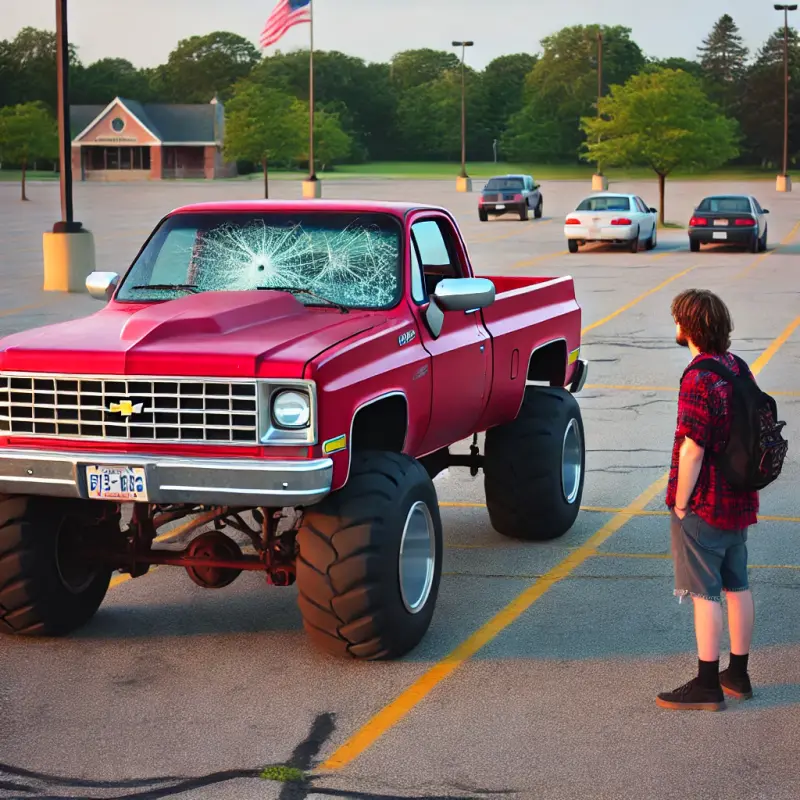
A well-placed rock can ruin a good morning. Not every impact means a new windshield. Windshield chip repair Columbia tools and resins can stop damage from spreading and preserve optical quality. The math is simple: repair runs a fraction of replacement cost, usually takes under an hour, and retains the original factory seal.
Real limits exist. If the chip sits in the driver’s primary viewing area and leaves a persistent blemish, a strict inspector may flag it. If cracks extend past 6 inches or reach the edge, replacement is safer. Temperature swings in Columbia can turn a small star break into a full-length crack in a day, especially when you blast the AC after the car bakes in a Vista parking lot. If you see a fresh chip, cover it with clear tape to keep out water and grit, then call an auto glass shop Columbia counts on within 24 to 48 hours. The cleaner the break, the better the repair.
What I Tell Clients When They Ask Me to Choose
You are not buying glass. You are buying how your car feels, how its technology works, and how invisible the whole event becomes once it is done. My rule of thumb looks like this:
- If your vehicle has any forward camera, HUD, or an acoustic windshield and you are particular about refinement, pick OEM unless your installer vouches for a specific premium aftermarket brand they calibrate without issues on your exact model. Documented success matters more than marketing. If your car is a straightforward, non-ADAS daily and you prefer value without fuss, pick a reputable aftermarket pane installed by a shop with a clean, disciplined process. Spend the extra savings on new wiper blades, a cabin filter, and a professional glass coating to repel rain. If your insurance will cover OEM and you plan to keep the car long term, accept the slight delay and take the guaranteed fit and finish. If parts are scarce and you need the car for the workweek, opt for high-grade aftermarket now and schedule a recalibration retest within a week. A good shop will stand behind the result.
A Columbia-Specific Lens: Heat, Pollen, and Pea Gravel
Our microclimate throws particular challenges at vehicle glass repair Columbia professionals. Spring pollen can contaminate fresh primer in minutes. Heat accelerates urethane cure, but it also expands old cracks quickly. Afternoon thunderstorms make mobile installs tricky unless the technician carries a canopy. Local roadwork on I-26 and around the Malfunction Junction produces pea gravel that loves to bounce. These aren’t excuses, they are reasons to choose a shop that adjusts the schedule to conditions. If your installer defers a job because the wind is kicking up dust against your driveway, they are protecting your bond and your warranty. That patience is part of a luxury service experience.
The Experience You Should Expect
A strong shop treats glass work like fine trim carpentry and lab work combined. From first call to drive-away, a luxury-standard process feels unhurried and exact, even if it moves efficiently.
- Before the appointment: you receive a clear quote with OEM and aftermarket options, including calibration fees. The parts specialist confirms VIN, sensor package, rain sensor type, and any options like heated glass or HUD. Day of service: your car is protected with fender covers and floor mats. The technician explains cure time and what to avoid for the first day: car washes, door slams with windows up, and high-pressure air on the cowl. If ADAS is involved, they show you the calibration pass on the scan report and, if dynamic, ride along or provide logged confirmation. Aftercare: you get a written warranty that covers leaks, stress cracks from fit issues, and calibration performance. You also get practical tips for care in Columbia’s climate: ceramic coating that sheds pollen film, quality washer fluid that does not smear in humidity, and the right wiper blade compound for summer heat.
That is the level of detail I look for when recommending mobile auto glass Columbia services to clients who value their time as much as their vehicles. The aim is simple: your car returns to being quiet, clear, and effortless, as if nothing happened.
A Word on Side and Rear Glass
While the spotlight sits on the windshield, car window repair Columbia jobs on side and back glass follow different rules. Side windows are tempered, not laminated, which means they shatter into pebbles on impact. OEM branding matters less here, fit and hardware integration matter more. Re-using window channel guides, aligning frameless glass in coupes, and ensuring defrost connectors on rear glass seat correctly are the points of pride. Aftermarket tempered glass from reputable makers usually matches OEM strength and tint. The best shops blend the new pane with existing tint or recommend a full tint refresh so you do not end up with mismatched shades in bright South Carolina sun.
Final Guidance for Choosing Your Path
If you are dealing with a cracked windshield Columbia roads gifted you this week, do not let urgency force a poor decision. Spend ten minutes on the phone with a trusted auto glass shop Columbia drivers speak highly of. Ask direct questions:
- Do you have OEM in stock for my VIN, and if not, what is the exact brand and part number of the aftermarket option? How often do you calibrate my make and model, and do you perform static, dynamic, or both? Can I see the calibration report? What urethane system do you use, and what is the safe drive-away time at today’s temperature and humidity? If wind noise or leaks appear, how do you handle re-seal or re-seat under warranty? For mobile service, how do you control dust and moisture during primer and bonding, and what is your rain plan?
Their answers will tell you everything you need about whether OEM or aftermarket will meet your standards. And when standards are high, the right choice feels like luxury each time the world goes quiet behind your glass and the road unfolds sharp and true.