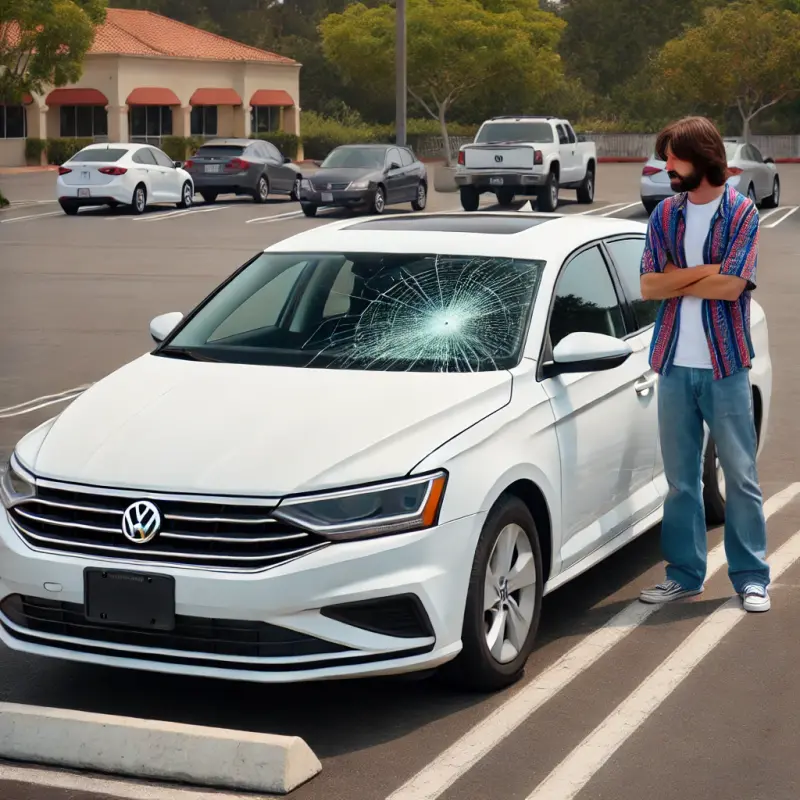
If you drive in Richland or Lexington County long enough, sooner or later a pickup tosses a pebble, a limb drops after a thunderstorm, or a stray baseball finds your windshield. The crack starts small, then creeps across your line of sight as the day heats up. That is the moment when same day auto glass service matters. In Columbia, rapid response teams have grown from a convenience into a safety essential, and the shops that do it well combine logistics, training, and calibration technology to get you back on the road with confidence.
Why speed matters more than ever on Midlands roads
Heat, humidity, and daily temperature swings don’t play nice with glass. A chip on Gervais Street at 8 a.m. often turns into a full crack by lunch when the parking lot bakes. Potholes along Two Notch or expansion joints on I‑26 add vibration that accelerates the break. Fast response stops that domino effect. When a technician can reach you the same morning, a quick resin injection may salvage a windshield that would otherwise need full replacement by dinner.
There is also a safety dimension that is easy to overlook. Your windshield contributes a surprising amount to the structural integrity of the vehicle, particularly in a rollover. With modern driver assistance systems, the glass has become a sensor mount, not just a weather shield. Cameras and lidar usually live near the rearview mirror. If the glass shifts or the bracket is even a few millimeters off, the software’s math falls apart. That is why competent shops follow replacements with windshield calibration, a controlled process that verifies your lane keeping and automatic emergency braking still see the world correctly.
Insurance carriers in South Carolina understand these stakes. Many policies include comprehensive coverage for auto glass, often with reduced or zero deductibles for chip repair. That does not mean every claim is simple, or that every replacement is free. It does mean the best shops help you navigate the paperwork instead of sending you to hold with a call center.
What “same day” realistically means in Columbia
Promises on billboards sound absolute. Real life has variables: traffic, weather cells popping up over Lake Murray, and parts availability for rarer vehicles. In practice, same day auto glass Columbia usually means one of three timelines based on the job type and inventory.
For straightforward windshield chip repair in Columbia, the turnaround is often inside of two hours from scheduling to completed cure. Resin sets fast in Midlands heat, and mobile auto glass repair in Columbia means a tech can meet you at your office near the Vista or your driveway in Forest Acres.
For common windshield replacement in Columbia on popular sedans and SUVs, same day is often feasible if the shop carries your glass in local stock. Many teams keep the top 50 to 100 models on hand. If your vehicle requires a heated windshield, acoustic laminate, or specific rain sensor mount, the window might still be on the shelf, just in a different warehouse across town.
For less common car window replacement in Columbia, like frameless coupe glass or a panoramic roof panel, the clock might stretch to next day. Rear windshield replacement in Columbia can also require more careful preparation due to embedded defrost lines and antenna elements. These jobs are still high priority, but the reality is parts dictate pace.
The shops that consistently meet same day commitments build their schedules in blocks. They cluster service calls by neighborhood, run real‑time dispatch, and keep techs in vans equipped for both repair and replacement. The difference becomes visible at 3 p.m., when one crew is still stuck on the wrong side of the river while another has already completed three jobs in Irmo, Lexington, and West Columbia, in that order.
Mobile versus shop service, and when to choose each
Mobile auto glass repair in Columbia is the default for rapid response, and for good reason. Instead of waiting in a lobby, you can keep a meeting, watch a ballgame, or put dinner in the oven. A well‑equipped van brings vacuum, trim tools, adhesives, primer, and glass racks that protect the new pane from flex. Good crews set up a clean work zone, protect paint and interior, and leave with less mess than they found.
There are times when a shop bay still makes sense. If your vehicle requires static windshield calibration with calibration targets ranged across a controlled area, the open floor and measured lighting of a shop beats a parking garage. Complex vehicles, like luxury models with heads‑up display, heated wipers, or infrared coatings, also benefit from a controlled environment. Deep water intrusion after a side window shatters into the door can require drying, inspection of wiring harnesses, and sometimes a short stay indoors to prevent musty odors and electrical gremlins.
I lean mobile for most chip repairs and common replacements. I prefer a shop visit for vehicles that rely heavily on ADAS cameras, or when rain threatens in the next hour and there is no covered space to allow safe urethane curing. The adhesive needs time to reach safe drive-away strength. In Midlands summer humidity, cure windows are generally in the 30 to 120 minute range depending on urethane formula, glass thickness, and temperature. Rushing that window to beat a storm is not smart.
The details that separate a quick fix from a lasting repair
Some basics are easy to gloss over in a hurry. They make the difference between a windshield that stays bonded for a decade and one that creaks or leaks at the first car wash.
Surface prep dictates adhesion. The pinch weld, the painted flange where the glass bonds, must be clean and properly primed. Any corrosion is addressed before fresh urethane goes down. Experienced technicians are meticulous here because Columbia’s humidity and tree pollen are unforgiving. Skip a step, and you hear it later when wind whistles at 55 mph on I‑77.
Glass handling matters. A windshield is a structural member. Flex it the wrong way during transport and micro‑cracks form at the edge. The best teams use suction cups, staging racks, and two‑tech lifts when glass is heavy or when openings are tight. Single‑tech installs work, but only with proper aids that limit twist.
Resin selection is not trivial for windshield chip repair in Columbia. A star break near the frit line chooses a different viscosity than a small bull’s‑eye dead center. Good techs bring a range of resins and UV curing lights that reach into tight angles. You want them to test cure under the black ceramic band and confirm that the fracture legs have filled. If the damage sits directly in the driver’s critical viewing area, a shop with integrity will recommend replacement despite the potential to fill the chip. Optical clarity and distortion are safety concerns.
Then there is glass quality. OEM and quality OEM‑equivalent glass often share the same source, with differences in branding and sometimes in acoustic layers. The cheapest aftermarket panels can be thinner or ring at a slightly different pitch if you tap them. That affects noise and, in some cases, sensor performance. I prefer OEM or reputable OEM‑equivalent for vehicles with advanced driver assistance, and I’m willing to be flexible on older work trucks where budget rules and sensors are not in play.
ADAS and the rise of windshield calibration
A decade ago, a windshield was a windshield. Now it is part of the sensing system. After a windshield replacement in Columbia, a credible shop assesses the need for windshield calibration. This can be dynamic calibration, where a technician drives the vehicle on marked roads at set speeds while a scan tool guides the process, or static calibration, where the car sits in front of precisely placed targets and the system learns its new normal.
Why this matters is not theoretical. If the forward camera sits one degree off because the bracket or glass is slightly misaligned, the car might think the lane line is a foot to the left. At 60 mph on I‑20, that can become an abrupt correction you do not expect. Shops equipped for windshield calibration in Columbia invest in target boards, laser alignment tools, and diagnostic software subscriptions. They also train for the peculiarities of different brands. A Honda with lane watch behaves differently from a Subaru with stereo cameras, and both differ from a GM system that uses radar fusion. You want a team that knows the difference and documents the post‑calibration results.
Calibration adds time. Same day service remains achievable when scheduling accounts for it. A well‑planned day might include a morning glass install, lunch‑hour drive cycle for dynamic calibration, and an early afternoon verification pass. Static setups usually complete in a shop bay in under two hours if the environment is controlled and targets are available for the model. The shops that hit these marks consistently keep a log of vehicle‑specific requirements and set realistic expectations from the first phone call.
Insurance, deductibles, and the smoothest way through a claim
Drivers often ask whether to file a claim for auto glass. If you carry comprehensive coverage, most insurers in South Carolina treat windshield chip repair as a no‑deductible item, and many shops can process insurance auto glass repair in Columbia with an e‑signature while the tech is on site. Windshield replacement sometimes involves a deductible. I advise calling your insurer or letting the shop start a three‑way call to verify coverage and deductibles. If your deductible is higher than the out‑of‑pocket cost for glass, pay cash and save the claim.
There are also steering rules. Insurers maintain preferred networks, but in South Carolina you retain the right to choose your shop. A network referral can simplify billing, yet it is not mandatory. The best auto glass shop in Columbia for your situation is the one that can handle your make, perform needed calibration, and stand behind the work. If that shop also happens to be in network, all the better.
Keep one practical tip in mind. Claims go smoother when you have your VIN, policy number, and a clear description of features on your windshield: rain sensor, heated wiper park area, lane departure camera, acoustic laminate. A photo of the windshield from outside, centered above the mirror, speeds parts identification. If you are unsure, a good service advisor will decode the VIN and ask follow‑ups that make the part number obvious.
How dispatch decisions create real‑world time savings
Rapid response is logistics. I have watched dispatchers map crews in Five Points at 8 a.m., slip a Fort Jackson call into an opening at 9:30, and have those same techs in Cayce for a late morning chip repair before heading to Harbison for a sunroof shade issue they knew required two pairs of hands. That sort of choreography happens by design.
Good teams build “glass routes” like HVAC companies build maintenance routes. They cluster jobs by side of river, highway access, and daylight. Summer thunderstorms tend to spike in mid‑afternoon. A dispatcher that pushes resin repairs, which are more weather‑sensitive, into the morning and loads replacements under carports or garages for the afternoon is doing you a favor even if you never see the Gantt chart.
The shops that falter usually overbook or fail to stock depth. A single wrong‑part surprise at 11 a.m. can blow up an afternoon if the next warehouse delivery is at 3 p.m. and traffic on I‑26 is crawling. The better shops keep secondary suppliers, borrow glass from partner locations, or maintain “flex kits” where a tech can temporarily secure a vehicle overnight in a safe manner if a left‑field issue arises. No one wants to leave a rear hatch open under a thunderstorm because the glass broke and the new pane is delayed by 12 hours.
Repair or replace, and when a patch is the wrong choice
Cost and time push people toward repair, and often that is the right call. Windshield chip repair in Columbia can be fast and invisible from the driver’s seat if the break is small and not in the critical zone. The resin bonds, stops cracks from running, and restores much of the original strength.
There are times to step back and choose replacement. A crack longer than a credit card, damage that reaches the edge of the glass, or a chip with crushed glass in the center does not repair reliably. If your vehicle has a heated windshield with fine wires in the laminate, a repair can leave a faint distortion that will distract you forever on bright mornings. If the break sits right in the path of the forward camera or is in your primary line of sight, even a technically successful repair can scatter light at night and degrade ADAS image recognition. Replace it, then calibrate.
For a rear windshield replacement in Columbia, repair is not an option. Tempered glass shatters into small cubes by design. Once it goes, it goes. The work then becomes about cleanup, protecting the parcel shelf and trunk, and confirming that defrost and embedded antenna connections are intact. The best crews vacuum, blow out channels, check for glass in door seals, and test the defroster before they leave.
Side windows bring their own quirks. Car window replacement in Columbia often involves removing door panels without breaking clips that have been baking under Carolina sun for years. A thoughtful tech has a stock of fasteners and knows which plastics get brittle on which models. They will also inspect and lubricate window tracks, because a binding regulator is a common culprit behind slow windows that later stress a new pane.
How to vet a provider when time is short
You rarely plan for glass damage. When you do need help, invest five minutes to choose well. Ask how the shop handles calibration for your specific make. If they can describe the process plainly, you are in better hands than if you hear “the light goes off by itself.”
Ask about the adhesive they use and the safe drive‑away time. Urethane specs are not marketing copy. They will name a manufacturer and a cure window. If a tech shrugs and says head out immediately, keep your guard up.
Listen for how they talk about parts. If they offer options, from OEM to high‑quality aftermarket, and explain trade‑offs without pushing the cheapest path, that is a good sign. If they only stock one tier for every vehicle, that can work, but it may not be right for a calibration‑heavy SUV.
Finally, test the communication. Same day service thrives on clear expectations. If the dispatcher sets a window, updates you when the tech is en route, and reviews next steps in case of rain, you have found a team that respects your time.
What a smooth same day job looks like, hour by hour
Consider a weekday morning on Devine Street. You notice a star break spreading as the sun climbs. You call a shop at 8:15 a.m., send a snapshot of the damage and the VIN. By 8:30, they confirm it is repairable and covered as a no‑deductible claim with your insurer. The tech arrives at 9:45, sets up a shade, cleans the impact point, vacuums dust, and injects resin through a bridge tool. UV cure takes a few minutes. By 10:30, the tech wipes the surface, scrapes smooth, and you can barely find the spot. You sign on a tablet, receive an emailed receipt and a note about avoiding a car wash for the day. That is how it should go.
Change the scenario. It is a longer crack on a 2021 SUV with a camera. The call at 9:15 triggers a parts check. The shop has the correct acoustic windshield with rain sensor cutout in stock. They slot you for a 12:30 install at your office garage, knowing a static calibration is required back at the shop. The tech arrives, protects the dash, cuts out the old glass, preps the pinch weld, and seats the new windshield with suction cups. The urethane needs 60 minutes to reach safe drive‑away strength in the midday heat. By 2:00, you follow the tech to the shop. Static calibration completes by 3:00 as targets are set and the scan tool guides camera alignment. A road test follows to check for wind noise and verify ADAS behavior. You leave at 3:30 with calibration documentation in your inbox. The afternoon thunderstorm at 4:15 pounds hard, but the bond is already safe.
Seasonality, weather, and timing the repair
Columbia weather plays tricks on glass. In summer, hot dashboards and cool AC create thermal gradients that stress existing chips. Afternoon storms test fresh seals with sheets of water and windshield crack repair columbia gusts that find any gap. Aim for a morning slot when possible. Resin cures faster with heat and UV, but replacements still need a window where rain will not interrupt adhesive set.
Winter mornings bring their own risk. Defrosters blasting on a frozen windshield expand the inner layer faster than the outer one. Tiny chips can spider out in seconds. When the thermometer dips, avoid pouring hot water on cold glass, and be gentle with ice scrapers. If you do see a chip, tape it to keep out moisture and grit until a tech arrives. Clear packing tape is fine in a pinch. Avoid superglue or home remedies that contaminate the break.
Pollen season deserves a mention. When yellow dust coats everything in March and April, surface prep takes longer. Good techs wipe, rinse, and re‑wipe. If a breeze is blowing pollen into the adhesive, a quick tent setup or moving the car under a porch is worth the five‑minute detour.
A few myths worth retiring
“Any chip can be fixed if you get there fast.” Speed helps, but crushed glass at the impact point or a crack that reaches the edge will not hold. A reputable shop tells you so upfront.
“Aftermarket glass is always bad.” Quality varies. Some aftermarket glass matches OEM thickness and clarity and works perfectly, especially on vehicles without complex sensors. Others are noisy or distort at the edges. The shop’s sourcing standards matter more than the label by itself.
“You can skip calibration if the dash light is off.” Dash indicators are not a calibration certificate. Some systems fault silently or degrade performance without flagging. If your vehicle maker requires calibration after glass replacement, do it and get proof.
“Mobile installs always leak.” A careful mobile install is as watertight as a shop install. Leaks trace back to prep and process, not the GPS location of the technician.
What “best” looks like when you actually need it
When people search for the best auto glass shop in Columbia, they usually mean the shop that shows up on time, does clean work, helps with insurance, and stands behind the result. The teams I recommend share habits: they answer the phone with a human who asks smart questions, they carry glass for the cars you actually see on Columbia roads, they document every job with photos, and they do windshield calibration when the car requires it instead of sending you to the dealer afterward.
They also make things painless after the fact. If you hear wind at highway speed, they schedule a reseal without a debate. If your rear defroster does not connect, they fix it the next day. In a town where word of mouth still travels fast, that attitude matters as much as any brand name.
Simple ways to avoid needing glass service tomorrow
No one can dodge every rock, but a few habits reduce your risk. Leave more space behind gravel trucks and trailers with uncovered loads. Avoid slamming doors when a chip exists, since cabin pressure can extend a crack. Park in shade if you can when a fresh repair is curing, and for the next day after a replacement, skip the high‑pressure car wash. Most importantly, do not wait on damage that crosses your sight line. A same day appointment beats a week of trying to ignore a crack that keeps growing across the dash reflection.
A quick field checklist before you schedule
- Identify the glass and feature set: windshield, rear windshield, or side glass, plus rain sensor, camera, defrost, or heads‑up display. Note the size and location of the damage, and whether it reaches the edge. Photograph the VIN plate and the area around the rearview mirror to speed parts identification. Ask the shop about calibration for your model and the safe drive‑away time after install. Confirm insurance coverage and deductibles, or decide to pay out of pocket if faster or cheaper.
Same day auto glass Columbia is not magic. It is a mix of stocking smart, dispatching well, and respecting the details that keep water out and sensors honest. When you find a crew that takes those details seriously, you will notice it in the quiet of your cabin at 60 mph, the steady line of your lane‑keep icon, and the lack of drama the next time a storm blows through. And if your luck runs out again, you will know exactly who to call.